cocoa Price Live Chart
The cocoa price today is $5580.0000. On this page you can find complete information about cocoa, including the current price and its change on the live chart, which can be viewed across 8 different time frames.
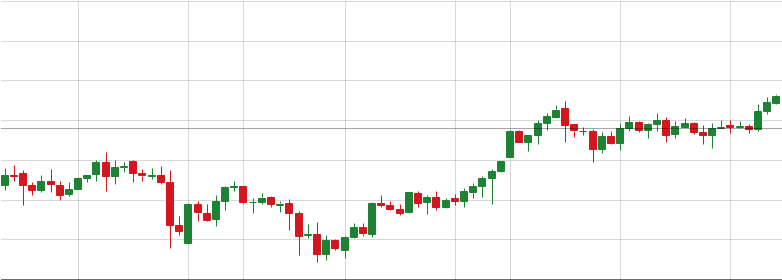
cocoa Price Chart
- 1m
- 5m
- 15m
- 30m
- 1h
- 4h
- 1d
- 1w
The Price of cocoa is Falling This Week
is currently trading at 5580.0000 , down 0.17% since yesterday. Looking at broader trends, it's shifted 1.04% this week and 2.54% over the last 30 days.
| Select Period or Date Range | Open price | Change % |
|---|---|---|
| Daily | 5589 | 0.17% |
| Weekly | 5442.8 | 1.04% |
| Monthly | 5949.28571 | 2.54% |
FAQ
What is Cocoa Price as of Today?
The Cocoa price today is $5580.0000.
What are the main factors affecting the price of Cocoa?
Several key factors influence cocoa prices
- Weather conditions – Droughts or excessive rainfall in major producing countries (Ivory Coast, Ghana, Indonesia) can impact supply.
- Supply chain disruptions – Political instability, labor issues, and shipping delays can restrict cocoa exports.
- Global demand – Consumption trends, especially from major chocolate producers, affect prices.
- Currency fluctuations – Cocoa is traded in USD, so exchange rate shifts impact exporting countries' revenues.
- Speculation and market trends – Hedge funds and institutional investors can drive price swings.
Who regulates the Cocoa Trade?
- International Cocoa Organization (ICCO) – Monitors and reports on the global cocoa market.
- Côte d'Ivoire-Ghana Cocoa Initiative (CIGCI) – Aims to stabilize prices and ensure fair trade for farmers.
- Commodity Exchanges – ICE and other markets regulate trading rules and contract specifications.
- Local Governments – Top cocoa-producing nations often set minimum prices to protect farmers.
How Can I Trade Cocoa?
To trade cocoa futures, you'll need to:
- Open a trading account with a broker that offers access to exchanges like ICE or CME.
- Choose the contract: Cocoa futures are typically traded in lots of 10 metric tons (on ICE) or 10 tonnes (on CME).
- Decide on the position: You can go long (buy) if you believe cocoa prices will rise or short (sell) if you think they will fall.
- Monitor expiration dates: Cocoa futures contracts have specific expiration months (March, May, July, September, December), and you'll need to decide whether to hold the contract until expiration or exit before then.
What Are the Largest Cocoa-Producing Countries?
The top producers are
- Ivory Coast (~40% of global supply) – The world's largest producer, heavily reliant on smallholder farmers.
- Ghana (~20%) – The second-largest producer, known for high-quality cocoa beans.
- Indonesia – The top producer in Asia, focusing on bulk cocoa production.
- Ecuador – Famous for its premium "fine-flavor" cocoa beans, used in high-end chocolate.
- Nigeria – A significant West African producer, though facing challenges with aging trees and farm productivity.
Are there any seasonal trends in cocoa prices?
Yes, cocoa prices follow seasonal trends based on production cycles. Prices typically dip after the main harvest (October to March) when supply is high and rise during the mid crop season (April to September) when supply is lower. Weather conditions and global demand, especially around holidays, can also influence prices.
Technical Analysis
Technical analysis is a method of studying and evaluating market dynamics based on the price history. Its main purpose is to forecast price dynamics of a financial instrument in future through technical analysis tools. Technical analysts use this method of market analysis to forecast the prices of different currencies and currency pairs. This type of the analysis will allow you to make market forecast based on studying historical prices of the trading instruments.
See also latest technical analysis of the price dynamics of #C_COCOA Dollar: COCOA forecast.